
AcademicPast event
Kiswahili: Between Identity, Innovation and Dynamic of Integration in Africa
- Date
- 25 July 2026
- Time
- 11:00
- Venue
- Online
- Format
- In person and online
- Attendees
- 300
- Price
- Free
I. GENERAL BACKGROUND
The twenty-first century has been characterized by profound geopolitical, technological, and cultural transformations that are reshaping global power dynamics. In the context of accelerated globalization, the digital revolution, and the emergence of a multipolar international order, languages are no longer merely tools of communication; they have become strategic instruments of sovereignty, influence, diplomacy, and sustainable development.
Africa, with its remarkable cultural and linguistic diversity, possesses an exceptional heritage that represents a strategic asset for regional integration and the continent's international influence. Nevertheless, African languages remain insufficiently integrated into education systems, public administration, digital platforms, and international exchanges. This underutilization limits their contribution to the construction of a shared African identity and to the dissemination of knowledge produced across the continent.
Among Africa's many languages, Kiswahili occupies a unique position. Emerging from centuries of interaction between Bantu communities along the East African coast and the commercial networks of the Indian Ocean, Kiswahili has gradually evolved into one of the continent's most influential languages. Spoken by more than 200 million people, it serves today as an official or working language in several African countries. It has also been adopted as one of the official languages of the African Union and continues to gain increasing international recognition, particularly through the UNESCO World Kiswahili Language Day, celebrated annually on 7 July.
This international observance provides an important opportunity to highlight the richness of Africa's linguistic heritage while promoting the role of Kiswahili in fostering intercultural dialogue, strengthening relations among African peoples, and advancing continental integration. It also creates a valuable platform for reflecting on the place of African languages within contemporary processes of development, innovation, and international cooperation.
Beyond its linguistic dimension, Kiswahili has become one of the principal languages of communication across East Africa, particularly within the East African Community (EAC), while also enjoying continent-wide recognition through its status as an official language of the African Union. In the era of digital transformation, the development and promotion of African languages have become strategic priorities for ensuring Africa's meaningful participation in global knowledge production. Against this backdrop, it is essential to raise awareness among younger generations about the importance of Africa's linguistic heritage and to explore policy strategies capable of transforming Kiswahili into a genuine driver of continental integration, leadership, and sustainable transformation.
II. RATIONALE
Africa's youth constitute the continent's greatest demographic asset and one of the principal drivers of its future development. Yet, a significant proportion of young Africans remain insufficiently aware of the richness of African languages and of their potential contribution to building a more integrated, sovereign, and internationally influential Africa.
It is within this context that Africa Without Borders (AWB), an international organization committed to empowering and educating young Africans to actively contribute to the continent's development, is organizing this conference in celebration of World Kiswahili Language Day.
The conference aims to provide a platform for dialogue and reflection bringing together policymakers, academics, researchers, cultural actors, youth organizations, institutional partners, and development stakeholders to discuss the promotion of Kiswahili and African languages.
Promoting Kiswahili fully aligns with this vision. As a continental African language, Kiswahili serves as a powerful vehicle for strengthening African identity, citizenship, and unity among peoples. It offers young Africans the opportunity to reconnect with their cultural heritage while contributing to the construction of a shared continental destiny founded upon solidarity, cooperation, and unity.
At a time when Africa seeks to strengthen its position in the technological, cultural, economic, and diplomatic spheres, Kiswahili can also become a strategic instrument for facilitating intra-African exchanges, promoting the circulation of knowledge, and enhancing the visibility of African intellectual production in a rapidly changing world.
Accordingly, this conference seeks to stimulate collective reflection on the role of Kiswahili in advancing African integration, consolidating Pan-Africanism, and supporting the emergence of a united, prosperous, and forward-looking Africa.
III. PROBLEM STATEMENT
In a context shaped by the profound geopolitical, digital, and technological transformations of the twenty-first century, to what extent can Kiswahili establish itself as a strategic instrument for African integration, cultural sovereignty, and the continent's international influence?
IV. OBJECTIVES
General Objective
Organized in celebration of World Kiswahili Language Day, this conference aims to provide a platform for reflection, analysis, and dialogue on the role of Kiswahili in Africa's contemporary development dynamics and its future prospects. It seeks to promote and elevate Kiswahili as an African cultural heritage, a symbol of shared identity, and a strategic instrument for continental integration. Furthermore, the conference intends to strengthen the dissemination and use of Kiswahili across education, research, media, and digital technologies, thereby contributing to the emergence of a united, prosperous, sovereign, and globally influential Africa in an era of profound transformation.
Specific Objectives
1. Strengthening knowledge and appreciation of Africa's linguistic heritage
This objective seeks to raise awareness among younger generations about the richness of African languages by highlighting their historical, cultural, and civilizational foundations, with particular emphasis on Kiswahili. It aims to recognize the contribution of the language to preserving Africa's collective memory, values, and continental identity while reaffirming the essential role of indigenous languages in transmitting traditional knowledge and cultural heritage across generations.
2. Examining the contribution of Kiswahili to continental integration
This objective focuses on assessing the capacity of Kiswahili to strengthen African unity and promote the ideals of Pan-Africanism in the twenty-first century. The discussion will examine both its historical and contemporary contributions to regional and continental integration processes. Particular attention will be given to the concrete opportunities Kiswahili offers for enhancing education, advancing scientific research, facilitating academic mobility, and strengthening cooperation among African nations.
3. Exploring the future of Kiswahili in the context of twenty-first-century transformations
This objective seeks to envision the future of Kiswahili within today's digital, technological, and media ecosystems. It will assess how artificial intelligence and emerging technologies can serve as catalysts for the promotion, dissemination, and long-term sustainability of African languages. Ultimately, this reflection aims to evaluate Kiswahili's contribution to Africa's cultural and digital sovereignty while identifying mechanisms capable of strengthening its international visibility and influence within an increasingly multipolar world.
4. Developing strategic orientations and policy recommendations
The final objective is to formulate practical strategies that encourage the adoption of public policies supporting the teaching and official use of Kiswahili. This approach emphasizes stronger cooperation among governments, universities, cultural institutions, and youth organizations. It also seeks to accelerate the integration of Kiswahili into digital and educational ecosystems and to translate the conference discussions into sustainable policy recommendations for public authorities, regional institutions, and development partners.
V. EXPECTED OUTCOMES
This conference seeks to strengthen the recognition of Kiswahili as a strategic language for the future of Africa and as an instrument of social cohesion, regional and continental integration, and innovative development. In this regard, the discussions are expected to:
- Raise awareness among young people about the value of Africa's linguistic heritage and its role in shaping contemporary African identities;
- Promote constructive dialogue among researchers, policymakers, youth organizations, and institutional partners;
- Identify practical mechanisms for promoting Kiswahili in education, research, culture, media, and digital technologies;
- Encourage the development of multisectoral partnerships aimed at advancing African languages;
- Formulate strategic recommendations and policy orientations to strengthen the position of Kiswahili—and African languages more broadly—at the national, regional, and continental levels.
VI. PARTICIPANT PROFILE
As part of the celebration of World Kiswahili Language Day, the conference will be held virtually and will bring together approximately 200 participants from diverse backgrounds who are actively engaged in the fields of language, culture, education, and development across Africa and beyond.
Participants will include researchers and academics, diplomatic representatives, public officials, students and student associations from several African universities, as well as youth organizations. Representatives of national and international organizations, regional institutions, research centers specializing in Kiswahili studies, language policy experts, and stakeholders from the cultural and educational sectors will also take part in the conference.
VII. SCIENTIFIC PROGRAMME
The scientific programme of this conference offers a multidimensional reflection on the role of Kiswahili within Africa's contemporary development dynamics. It is structured around two complementary pillars. The first examines Kiswahili as a cultural heritage, a vehicle of identity, social cohesion, and continental integration. The second explores its transformative role in the twenty-first century through education, research, digital technologies, innovation, media, and cultural diplomacy.
Through a series of high-level strategic sessions, participants will examine the achievements, challenges, and future prospects related to the promotion of African languages while assessing their contribution to building a more integrated, sovereign, and globally influential Africa in a rapidly evolving world.
To maximize the conference's impact, the programme has been designed around a clear and coherent structure:
Opening Keynote (Pre-Session)
The conference will begin with keynote addresses delivered by distinguished speakers, policymakers, and internationally recognized experts. These opening presentations will establish the conceptual framework of the conference and outline the major issues that will guide the day's discussions.
Main Thematic Panel
The central component of the programme will be a high-level panel discussion bringing together academics, researchers, diplomats, policymakers, and representatives of civil society. Moderated by an experienced facilitator, this interdisciplinary dialogue will encourage the exchange of practical experiences, diverse perspectives, and innovative ideas on the future of Kiswahili and African languages.
Closing Keynote (Post-Session)
The conference will conclude with keynote interventions aimed at broadening the discussions, synthesizing the principal findings, and providing strategic orientations for future action. These closing remarks will help translate the debates into practical recommendations for policymakers, institutions, and development partners.
At the heart of this programme lies a central conviction: Kiswahili is more than a language—it is a strategic African asset situated at the intersection of identity, knowledge, innovation, and cultural influence.
VIII. CONCLUSION
In a context marked by cultural globalization, digital transformation, and growing concerns over linguistic and cultural sovereignty, the promotion of African languages has become a strategic priority for the continent's sustainable development.
Through the celebration of World Kiswahili Language Day, this conference seeks to provide a platform for dialogue, critical reflection, and policy-oriented discussion on the role of African languages in building a more integrated, innovative, and internationally influential Africa.
The conference further aims to strengthen the recognition of Kiswahili as a language of communication, cooperation, and international outreach while highlighting the experiences, challenges, and future opportunities associated with promoting African languages in the fields of education, research, culture, media, and digital transformation.
Ultimately, this initiative forms part of a broader vision to reinforce Africa's cultural sovereignty by promoting a united continent founded upon linguistic diversity, intercultural dialogue, the transmission of knowledge, and the shared aspirations of its peoples.
Highlights
- Education and Knowledge Production: The Role of Kiswahili in Education, Research, and Scientific Knowledge Production
- Regional and Continental Integration: The Role of Kiswahili in Unity, Mobility, and Inter-State Cooperation
- Kiswahili on the International Stage: Diplomacy, Global Influence, and Cultural Outreach
- Language Policies: Institutional Frameworks and Strategies for the Promotion and Development of African Languages
- Cultural Identity: Kiswahili as Heritage, Collective Memory, and a Vehicle for African Identity
Speakers
 Dr. Masereka Levi KahaikaSchola, Senior Translation, Interpretation and Advocacy OfficerEast African Kiswahili Commission (EAKC)
 Mr. Aaron Adroit MukandabvuteLecturer in the Department of Languages, Literature and Culture at the University of ZimbabweUniversity of Zimbabwe
 Mr. Kevin Philips MomanyiSenior Bilingual International Journalist | Digital Reporter | Media Analyst. International Journalist and Digital Reporter with TRT World and TRT Afrika Swahili,TRT World
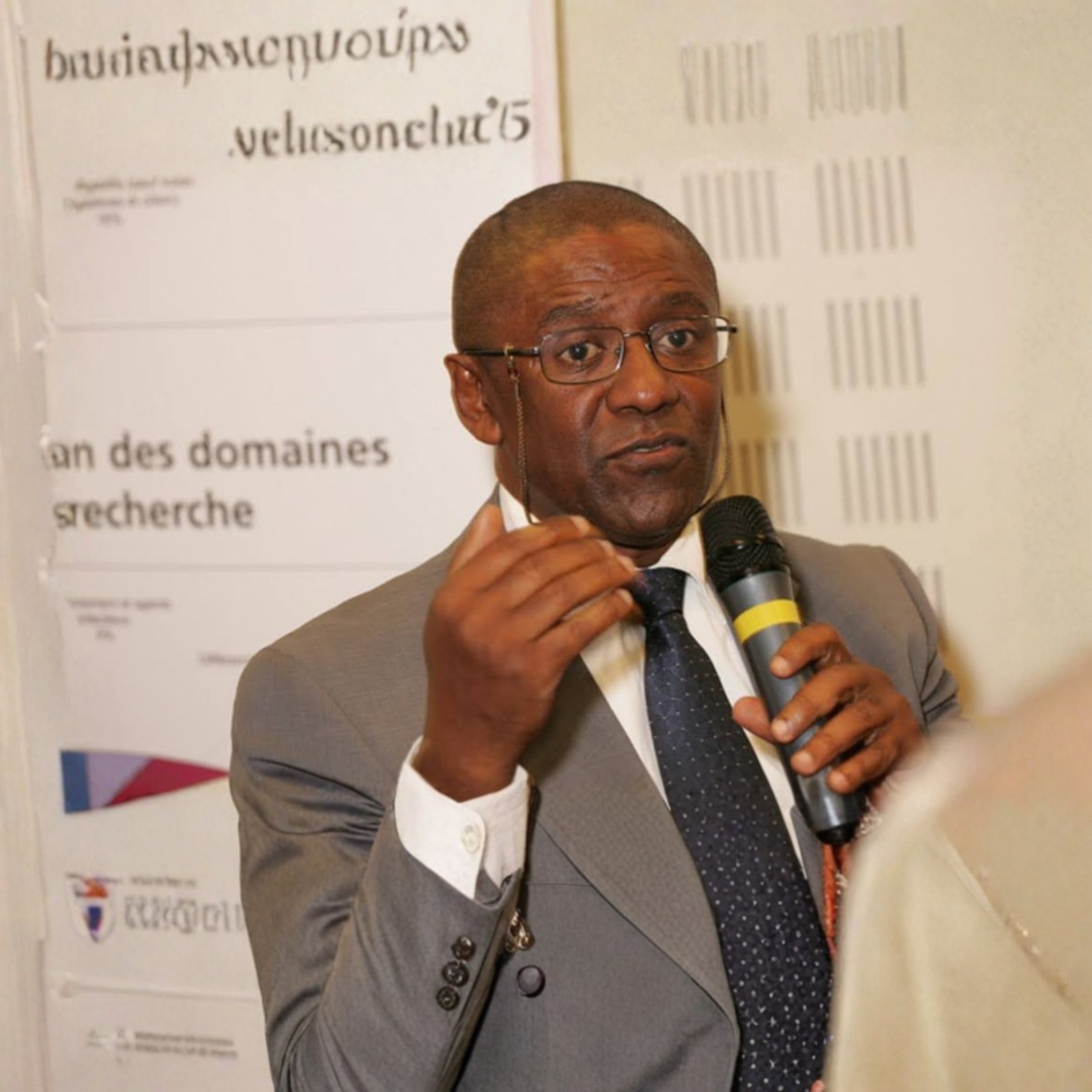 Mr. Said Abdallah MchangamaEconomist, and civil society leader. He is a former Minister of Finance and former president of the National Assembly of the Union of the ComorosTan-Com LLC