Skip to content

AWB — Young Diplomats School

Young Diplomats School.

Training tomorrow's African diplomats, starting today.

Applications closed

See the curriculum

The programme

Programme overview

The Young Diplomats School is a selective, intensive, Pan-African training programme delivered entirely online. Built around 10 thematic three-hour sessions across 5 weekends, it offers a progressive immersion into the foundations of diplomacy, the analysis of the international system and African perspectives on international relations.

Total duration
5 weeks (31 Oct – 29 Nov 2026)
Number of sessions
10 thematic sessions
Session length
3 hours
Frequency
Weekends (Saturday and Sunday)
Delivery mode
100% online
Languages
French and English
Capacity
30 to 50 selected participants
Target audience
Young Africans and members of the diaspora, 18 – 40
Introduction and context

The contemporary international system is marked by profound geopolitical shifts, a recomposition of the balance of power and a progressive redefinition of multilateral norms — the emergence of a world order in transition, defined by deepening interdependence and increasingly complex global governance.

In this context, the African continent holds an increasingly strategic position. At the heart of security, energy transition, digital transformation and regional integration, Africa now stands as a central space in global recompositions.

Yet African representation and influence within international decision-making bodies remain below their potential. It is in this dual context that the Africa Without Borders Young Diplomats School takes shape: a strategic initiative to train a new generation of leaders able to understand, analyse and influence contemporary diplomatic dynamics.
Strategic objectives

What the programme sets out to achieve

  1. Train

    A new generation of diplomats, negotiators and international-relations professionals fluent in the tools of modern diplomacy.

  2. Strengthen

    A critical understanding of the international system, focused on power relations and the geopolitical issues that concern Africa.

  3. Promote

    An African vision of the international order, grounded in South-South solidarity, Pan-Africanism and strategic sovereignty.

  4. Build

    A structured network of young African thinkers and practitioners committed to peace, security and multilateral affairs.

  5. Develop

    Participants' leadership, intercultural communication and analytical skills.

Session details

The 10 thematic sessions

The programme runs from 31 October to 29 November 2026, with two sessions per weekend. Each session pairs a solid conceptual foundation with practical application.

Calendar progress

–/ 10 sessions completed

  1. Weekend 1 · 31 Oct – 1 Nov

    1. S1

      31 Oct 2026 · 17:00 GMT

      State, Sovereignty and the Reshaping of the World Order: What Role for Africa?

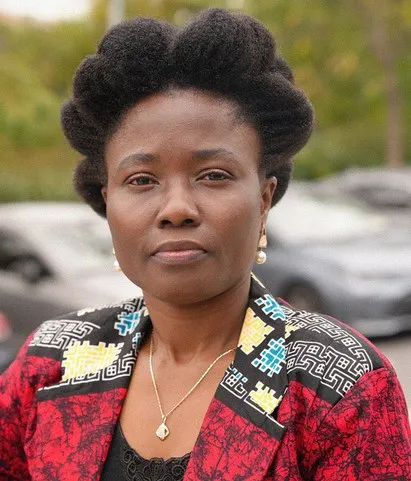
      • SpeakerProf. Sophie NanyongaProfessor at Düzce University
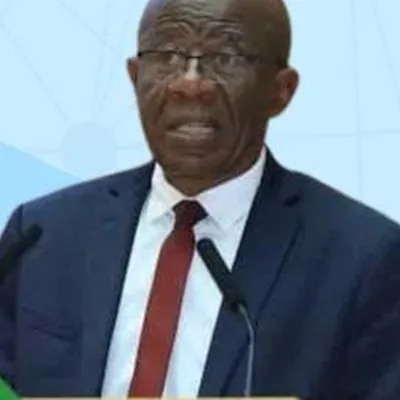
      • Guest of honour — Official ceremonyH.E. Mr Youssouf Mondoha AssoumaniAmbassador of the Union of the Comoros to Ethiopia
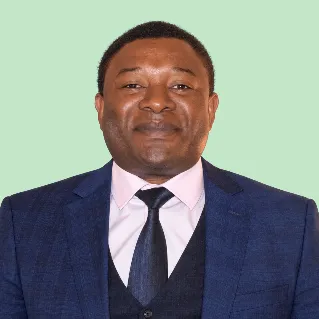
    2. S2

      1 Nov 2026 · 11:00 GMT

      International Institutions: UN, ICC, WHO

      • SpeakerMr Stevie NemboInternational Leader
  2. Weekend 2 · 7 – 8 Nov

    1. S3

      7 Nov 2026 · 11:00 GMT

      International Financial Institutions: Debt, Financing, Development Aid, Dependency

      • SpeakerMr Ma Diakhete NiangTreasury Inspector (Senegal)
    2. S4

      8 Nov 2026 · 17:00 GMT

      Pan-Africanism: History and Ideology

      • SpeakerMr Moussa Hissein MoussaPresident of Africa Without Borders
  3. Weekend 3 · 14 – 15 Nov

    1. S5

      14 Nov 2026 · 11:00 GMT

      Soft Power and Diplomacy of Influence: Sport, Culture and Cinema

      • SpeakerDr Alioune Aboutalib LôResearcher and Consultant in International Relations
    2. S6

      15 Nov 2026 · 11:00 GMT

      African Integration: the Free Trade Agreement (AfCFTA) and Agenda 2063

      • SpeakerMr Ousama Ben KhalifaInternational Trade Expert
  4. Weekend 4 · 21 – 22 Nov

    1. S7

      21 Nov 2026 · 08:30 GMT

      Artificial Intelligence and the War of Narratives: Building African Influence in the Digital Age

      • SpeakerMs Emefa KoffiMultimedia Journalist
    2. S8

      22 Nov 2026

      Africa's Major Ecological and Epidemiological Challenges in the 21st Century

  5. Weekend 5 · 28 – 29 Nov

    1. S9

      28 Nov 2026

      Internal Tensions, Geopolitics and Security Threats

    2. S10

      29 Nov 2026

      Final Diplomatic Simulation – AWB Conference

Faculty

Faculty

AWB – YDS brings together a diverse faculty combining academic excellence with hands-on diplomatic experience. Speakers are selected against strict criteria of competence, legitimacy and African geographic representativeness.

They took part — 1st cohort

8 speakers

H.E. Mr Youssouf Mondoha Assoumani

Guest of honour

H.E. Mr Youssouf Mondoha Assoumani

Ambassador of the Union of the Comoros to Ethiopia, Permanent Representative to the African Union, General Dean of the PRC and of the African diplomatic corps in Addis Ababa.

Official opening ceremony · 31 Oct 2026 · 09:00 GMT

  • Prof. Sophie NanyongaSession 1

    Prof. Sophie Nanyonga

    Professor of Political Science and International Relations at Düzce University.

    Session 1 · 31 Oct 2026

  • Mr Stevie NemboSession 2

    Mr Stevie Nembo

    International leader committed to leadership and to Africa's development.

    Session 2 · 1 Nov 2026

  • Mr Ma Diakhete NiangSession 3

    Mr Ma Diakhete Niang

    Senior Senegalese civil servant, Treasury Inspector and Paymaster to the Consulates General of Senegal in France, a political actor committed to the local development of Thiès.

    Session 3 · 7 Nov 2026

  • Mr Moussa Hissein MoussaSession 4

    Mr Moussa Hissein Moussa

    Pan-African activist, author of “Au-delà de l'histoire : le Panafricanisme” (Beyond History: Pan-Africanism), President of Africa Without Borders.

    Session 4 · 8 Nov 2026

  • Dr Alioune Aboutalib LôSession 5

    Dr Alioune Aboutalib Lô

    Researcher and consultant in international relations, specialising in economic diplomacy, geopolitical intelligence and soft power. Founder of ESPA.

    Session 5 · 14 Nov 2026

  • Mr Ousama Ben KhalifaSession 6

    Mr Ousama Ben Khalifa

    International trade expert, Director of Exporter Support at the CCIT and ITC trainer.

    Session 6 · 15 Nov 2026

  • Ms Emefa KoffiSession 7

    Ms Emefa Koffi

    Multimedia journalist, video producer, video-journalism coach.

    Session 7 · 21 Nov 2026

Speaker profiles

  • Academics

    African scholars specialising in international relations, political science and history (PhDs, senior lecturers).

  • Diplomats

    Serving or former diplomats, ambassadors, advisers, diplomatic representatives and negotiators.

  • Experts

    Experts from the African Union, United Nations agencies and the regional economic communities.

  • Analysts

    Representatives of African and international think tanks (SAIIA, ECDPM, Policy Center for the New South…).

  • Civil-society actors

    Young African leaders with multilateral or institutional experience.

Certification

Assessment, certification and network

Assessment breakdown

  • 30%

    Attendance, quality of contributions and engagement in sub-groups.

  • 30%

    Three short papers (500 words maximum) produced across the programme.

  • 30%

    Performance at the AWB diplomatic conference (session 10).

  • 10%

    Structured peer assessment of collaboration.

Three levels of certification

  • Level 01

    Official certificate

    Awarded to every participant who completes the whole programme.

  • Level 02

    Certificate of excellence

    Awarded to the top 10% of participants (special mention).

  • Level 03

    Verifiable digital badge

    A certificate with a digital badge you can share on LinkedIn, X and in your CV.

Network benefits
  • AWB Young Leaders network

    Graduates join the international alumni community: mentoring, cooperation and partnership development.

  • Priority access to opportunities

    Priority access to missions, delegations, conferences, trainings and events run by AWB and its partners.

  • Connection to partners

    Access to a broad network of diplomats, experts, academics, embassies, NGOs and partner institutions.

  • Professional support

    Recommendation letters and priority information on scholarships, internships, trainings and opportunities.

  • Recognition and engagement

    A verifiable official certificate and continued engagement within AWB's initiatives and leadership programmes.

Admissions

Eligibility and selection

The Young Diplomats School is open to young Africans and members of the diaspora aged 18 to 40: students, young professionals or aspiring diplomats.

  • Age

    Age range: 18 to 40.

  • Origin

    African nationality or African descent.

  • Education

    At least two years of higher education or equivalent.

  • Language

    Command of French (B2 minimum); English is an asset.

  • Connectivity

    Access to a stable internet connection to follow the online sessions.

Target composition of the cohort

  1. Geographic diversity

    All African regions (East, West, North, Central, South) and the diaspora.

  2. Gender parity

    Target: 50% women in the cohort.

  3. Diversity of profiles

    Students, young professionals, activists, journalists, entrepreneurs.

  4. Diversity of countries

    At least 10 different countries represented in each cohort.

AWB-YDS is designed as an evolving programme, with the ambition to grow over 3 to 5 years. The first edition is above all a pilot: validating the model and building the programme's reputation.

Applications are closed

Thank you for your interest in the inaugural cohort. Follow us to hear about future editions.