The Great Congo Basin
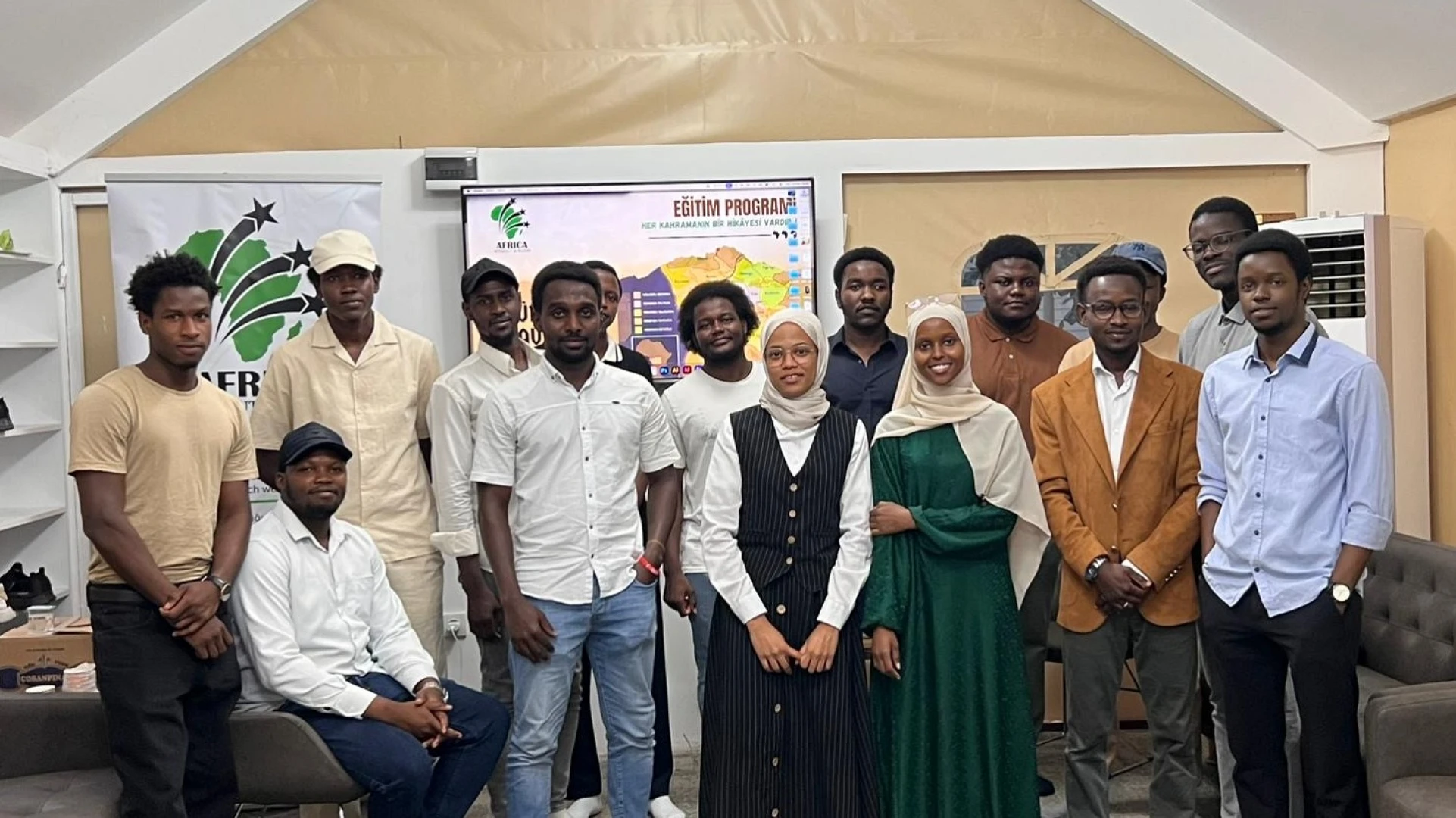
Supported by Africa Without Borders (AWB), the “Great Congo Basin” program offers a structured exploration of the historical, political and cultural dynamics that have shaped Central Africa. Through …
- Date: 2025-08-23
- Location: Istanbul, UDEF
Designed as a framework for the transmission and valorization of knowledge, AWB's “Great Congo Basin” program looks back over the long historical period of a nodal region of the African continent. The presentations documented the evolution of political formations and exchange networks, placing the great empires and kingdoms in their social, economic and spiritual contexts. They also shed light on the diversity of communities that inhabited this space, the variety of languages and cultural practices, as well as the circulation of ideas, techniques and beliefs that shaped local and regional identities. The attention paid to intellectual productions and artistic expressions has made it possible to restore the depth of a heritage where rites, oratory arts, music, iconographies and family memories dialogue with contemporary issues. At the heart of this narrative, the figure of Kimpa Vita was presented as a major benchmark of ethics, resistance and spiritual reform, illustrating the capacity of Congo Basin societies to forge critical thoughts and transformation projects. By linking history, culture and leadership, the program offers a useful framework for reflection for researchers, cultural practitioners, educators and civil society actors engaged in the transmission of knowledge and the construction of an accepted African narrative. Part of AWB's mission to promote pan-African approaches, the program aims to be both a rigorous study space and a lever for action. It aims to strengthen mutual knowledge, support educational initiatives based on local realities and contribute to the emergence of coherent cultural and memory policies. Through the documentary precision and educational clarity of the interventions, it offers a structured reading of the past to shed light on presen